Are you planning your vacation at our campsite on Île de Ré and dreaming of spotting a giant of the seas from the beach? This is a question we hear often, and it deserves an honest answer. Around the island, the waters of the Pertuis are shallow: they aren’t home to large whales. However, marine life is very much present, with dolphins and remarkable wildlife. Before exploring Île de Ré, here’s what you can realistically hope to see.
Key points to remember
- No, you don’t see large whales in the shallow straits surrounding the Île de Ré.
- Yes, cetaceans are found in the area: the common bottlenose dolphin in the Pertuis Charentais, the harbor porpoise near the coast, and the common dolphin further offshore.
- The best sightings occur at sea during the warmer months (April through October), when the sea is calm.
- The Lilleau des Niges Nature Reserve (LPO) is home to an exceptional variety of wildlife, especially birds.
- Always observe from a distance: never approach or feed a wild animal.
Can you really see whales?
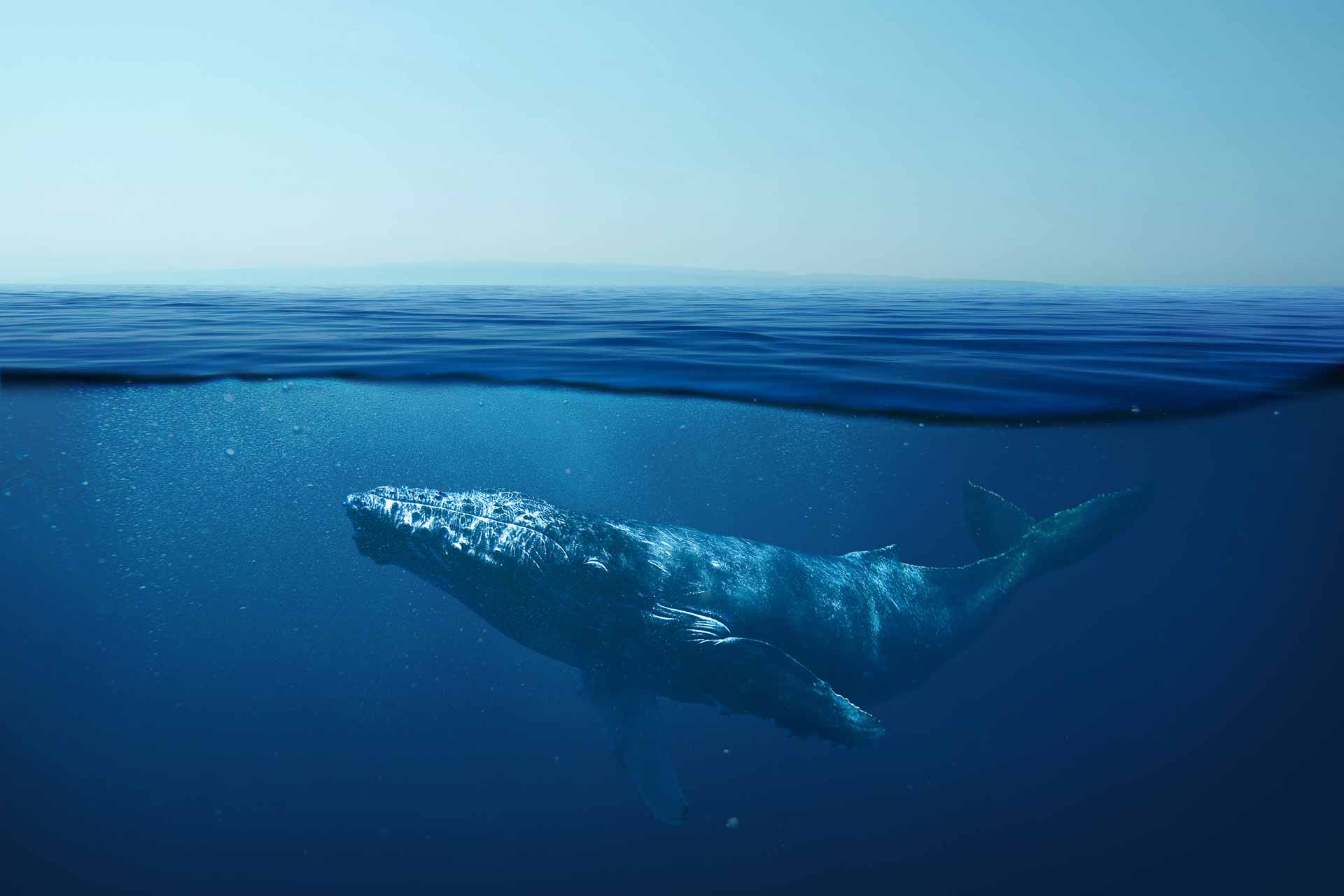
Let’s be clear: don’t expect to see a large whale surface right off the beach. The Pertuis Breton and Pertuis d’Antioche, which border the Île de Ré, are shallow waters. Large cetaceans, such as the fin whale, live offshore in the depths of the Bay of Biscay, far from the coast.
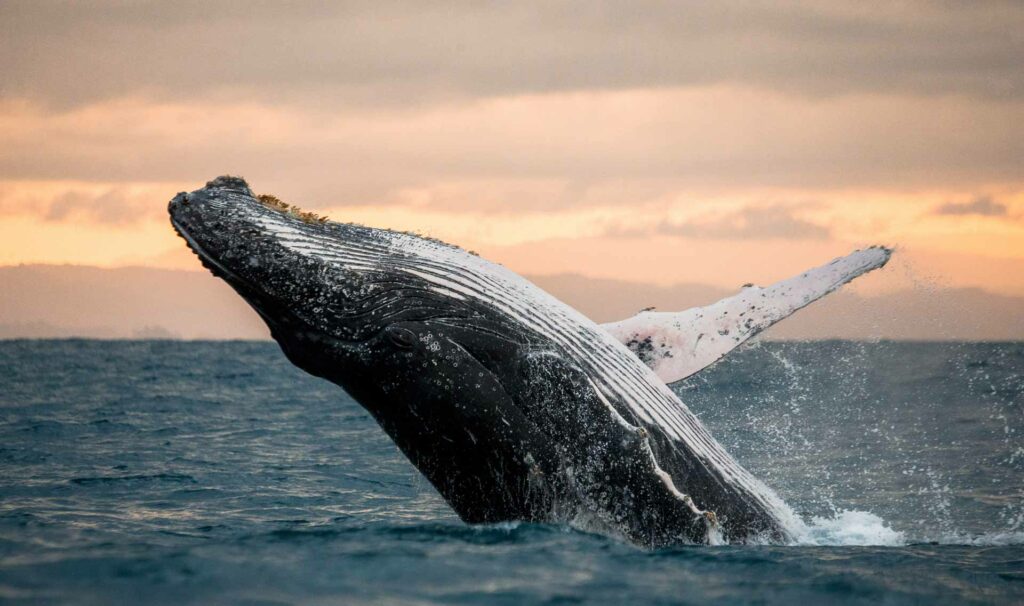
There are exceptions. In 2018, a young minke whale (also known as a pointed-snouted minke whale), about 4 meters long, was observed for several hours in shallow water, almost directly beneath the island’s bridge. However, such occurrences remain very rare and unpredictable. In short: seeing a whale here is a matter of exceptional luck, not part of the vacation itinerary.
What marine animals can you see around Île de Ré?
The good news is that the local marine wildlife is abundant. The bottlenose dolphin (Tursiops truncatus) is regularly spotted in the Pertuis Charentais, sometimes in groups of several dozen individuals: In September 2025, naturalists from Ré Nature Environnement spotted, in a single day, two groups of about thirty bottlenose dolphins off the Islattes Lighthouse, and about twenty others in the Pertuis d’Antioche. Here are the species you might encounter, and how often.
| Species | Where & When to Spot It | Chances of seeing it |
|---|---|---|
| Bottlenose dolphin | In the Pertuis Charentais and offshore, especially from spring through fall | Possible during a boat trip |
| Common Porpoise | Coastal waters, mainly during the cold season | Rare and elusive |
| Common Dolphin | Offshore, in the Bay of Biscay | Scarce from the coast |
| Minke whale | Offshore, spring and summer | Very rare |
| Gray seal | Coasts, estuaries, and sandbars | Very rare |
| Seabirds | Lilleau des Niges Nature Reserve, migrations from fall through spring | High |
Boat Trips and Responsible Observation
To give yourself the best chance of seeing them, your best bet is to head out to sea. Nature-watching cruises are organized along the Atlantic coast, and the tours most focused on cetaceans often head further south, toward the Bay of Biscay. From La Rochelle and the island, sightings are usually more spontaneous: from a boat during a crossing, from a coastal trail, or while out for a walk. Trips are mainly offered during the warmer months, from April through October, and in good weather, as wind and swell conditions affect navigation. Keep in mind that sightings are never guaranteed—it all depends on whether the animals are present on the day of your trip.
On land, the Lilleau des Niges Nature Reserve, managed by the LPO, is a sure bet. Spanning 220 hectares of former salt marshes along the Fier d’Ars, more than 300 bird species have been recorded there. The nature trails are open to the public year-round: it’s the perfect opportunity to round out your exploration of the island’s natural beauty.
A golden rule: observe without disturbing. Never try to approach, chase, or feed a dolphin, and reduce speed if a pod is in sight. If you come across a stranded or distressed animal, do not touch it and notify the Pelagis Observatory, which coordinates the national stranding network.
Seeing a dolphin in the wild is a privilege that must be earned: the most beautiful photo is the one you take without ever forcing the encounter.
Pierre Schmitz
Open from April through the end of September, our family-friendly campsite in La Couarde-sur-Mer is located just 600 meters from the beach and features a heated, indoor pool area. It’s the perfect base for exploring the island, going on nature outings, and trying your luck at sea. Book your stay and keep your eyes on the horizon.